
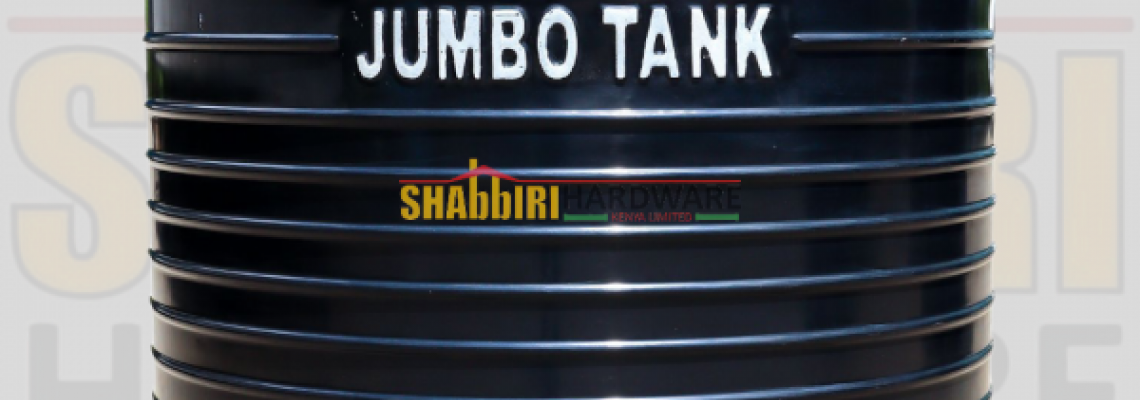
Why Rainwater Harvesting Matters in Kenyan Homes
Water scarcity and rising utility bills are driving homeowners in Kenya to explore sustainable water solutions. One of the most effective and practical methods is rainwater harvesting. By capturing and storing rainwater, households can reduce dependence on municipal water, save money, and ensure a reliable water supply for domestic use.
A properly planned rainwater harvesting system involves water tanks, plumbing connections, filtration systems, and overflow management. This guide will explain how to install water tanks, integrate them into your home plumbing, estimate costs, choose suitable materials, and select trusted suppliers such as Shabbiri Hardware.
Understanding Rainwater Harvesting in Kenya
What is Rainwater Harvesting?
Rainwater harvesting is the process of collecting, storing, and using rainwater for domestic purposes. It typically involves:
-
Collection: Rainwater from roofs, gutters, or surfaces.
-
Storage: Water tanks or cisterns.
-
Distribution: Connecting the tank to plumbing systems for garden use, toilets, washing machines, or even drinking water after filtration.
In Kenya, rainwater harvesting is increasingly popular due to:
-
Seasonal water shortages
-
High water tariffs in urban areas
-
Sustainability and environmental awareness
Benefits of Rainwater Harvesting in Your Home
-
Cost Savings: Lower monthly water bills.
-
Reliable Water Supply: Especially in regions with inconsistent municipal water.
-
Environmentally Friendly: Reduces demand on rivers and groundwater.
-
Gardening and Irrigation: Ideal for lawns, plants, and small-scale farming.
-
Emergency Reserve: Extra water supply during shortages.
Choosing the Right Water Tank for Your Home
Types of Water Tanks Available in Kenya
When selecting a water tank, consider capacity, material, durability, and placement.
1. Plastic/Polyethylene Tanks
-
Lightweight and easy to install
-
Resistant to rust
-
UV-protected for long-term durability
-
Sizes: 500L – 20,000L
-
Popular brands available at Shabbiri Hardware
2. Galvanized Steel Tanks
-
Durable and long-lasting
-
Can handle higher pressure
-
Heavier and requires proper foundation
-
Sizes: 1,000L – 50,000L
3. Concrete Tanks
-
Very durable
-
Often used for large-scale storage
-
Requires professional installation
Recommended: For most homes, polyethylene tanks are practical, affordable, and easy to maintain.
Explore quality tanks at Shabbiri Hardware:
https://shabbirihardware.com/hardware
Determining the Right Tank Size
The size of your water tank depends on:
-
Roof size for rainwater collection
-
Average rainfall in your area
-
Number of people using the water
-
Intended use (toilet flushing, gardening, laundry, drinking after filtration)
Rule of Thumb:
1 person uses ~50–100 liters/day. Multiply by household members and the number of days you want to store water.
Example:
-
4-person household, 50 liters/day = 200 liters/day
-
7 days of storage = 1,400 liters
-
Recommended tank: 2,000 liters for a safety margin
Installing Water Tanks: Step-by-Step Guide
1. Choose Tank Location
-
Preferably close to the house and roof downspouts
-
On a solid, level surface (concrete base or compacted earth)
-
Accessible for maintenance
2. Prepare the Foundation
-
Concrete slab: 150–200mm thick, level, reinforced if large tank
-
Compact and level ground for smaller tanks
-
Ensure good drainage around the tank to avoid erosion
3. Connect the Gutters
-
Fit downspout filters to prevent debris from entering the tank
-
Use PVC or HDPE piping for water flow
4. Install Overflow and Vent Pipes
-
Prevent flooding by adding overflow pipes directed to gardens or soak pits
-
Install vent pipes to prevent vacuum formation
5. Plumb the Water Tank to Your Home
-
Connect tank to toilets, taps, washing machine, or garden irrigation
-
Use quality PVC pipes and fittings for durability
-
Install ball valves for flow control
6. Add Filtration (Optional for Drinking Water)
-
First flush diverter removes initial dirty water
-
Sand or charcoal filters purify water
-
UV or chemical treatment ensures safety for potable water
Plumbing Considerations for Rainwater Harvesting
Quality Pipes and Fittings
For long-term performance, use:
-
PVC Pipes: Lightweight, durable, resistant to corrosion
-
HDPE Pipes: Flexible, long-lasting, ideal for underground connections
-
Fittings: Use ball valves, elbows, tees, and connectors to direct flow efficiently
Check Shabbiri Hardware for high-quality plumbing products:
https://shabbirihardware.com/hardware
Preventing Contamination
-
Cover tanks to prevent insects and debris
-
Install mesh or filters at inlets
-
Regularly clean tanks (at least once per year)
-
Avoid connecting to dirty drainage lines
Cost of Installing Water Tanks and Plumbing in Kenya
Cost Breakdown
| Item | Estimated Cost (KSh) |
|---|---|
| Polyethylene tank 2,000–5,000L | 15,000 – 50,000 |
| Tank foundation (concrete slab) | 5,000 – 15,000 |
| PVC piping and fittings | 8,000 – 20,000 |
| Downspout filter and first flush | 3,000 – 10,000 |
| Labour | 10,000 – 25,000 |
Total Estimated Cost: KSh 41,000 – 120,000, depending on tank size, piping, and labour.
Tip: Prices vary by supplier. Buying from trusted suppliers like Shabbiri Hardware ensures durability and long-term savings.
Advantages of Buying Water Tanks from Trusted Suppliers
Choosing a reputable supplier guarantees:
-
High-quality tanks with UV protection
-
Certified pipes and fittings
-
Expert advice on sizing and installation
-
Countrywide delivery
-
After-sales support
Shabbiri Hardware provides all rainwater harvesting essentials, from tanks to PVC and HDPE pipes, plumbing fittings, and installation advice.
Explore their plumbing solutions:
https://shabbirihardware.com/hardware
Recommended Related Products (4 Approved Links)
-
https://shabbirihardware.com/flooring-solutions/pvc-vinyl-flooring
-
https://shabbirihardware.com/hardware/ladders/household-ladders
Maintenance Tips for Rainwater Harvesting Systems
-
Clean gutters and downspouts regularly
-
Inspect and clean tanks at least annually
-
Check for leaks in pipes and fittings
-
Replace damaged filters promptly
-
Ensure overflow pipes are unobstructed
Regular maintenance ensures long-term efficiency and safe water supply for your home.
Rainwater Harvesting is a Smart Investment
Rainwater harvesting helps Kenyan homeowners save water, reduce bills, and secure an independent supply. By selecting the right water tank, plumbing system, and accessories from trusted suppliers like Shabbiri Hardware, you enjoy:
-
Reliable water supply
-
Durability of materials
-
Long-term cost savings
-
Environmental sustainability
Start your rainwater harvesting project today to make your home more resilient and water-efficient.
Call to Action (CTA)
Visit Shabbiri Hardware to explore high-quality water tanks, PVC and HDPE pipes, fittings, and accessories.
Check pricing at www.shabbirihardware.com and get expert advice on designing and installing your rainwater harvesting system.
COUNTRYWIDE DELIVERIES AVAILABLE
Same-day delivery within Nairobi
Next-day delivery to other parts of the country
Contact Us
Shabbiri Hardware
info@shabbirihardware.com
Call/WhatsApp: +254745554008 | +254711437452
Store Address: Magadi Road, Ongata Rongai???? Branch: Tuala Branch
We deliver to: Naivasha, Nakuru, Malindi, Machakos, Eldoret, Kisumu, Bungoma, Nairobi, Meru, Kitui, Kakamega, Kericho — and many more!
More from Shabbiri Hardware
https://shabbirihardware.com/about_us
https://shabbirihardware.com/flooring-solutions
People Also Bought
-250x250w.jpg "PVC VINYL FLOOR CARPET 46-G")


346 Comment(s)
You definitely made the point.
Fantastic data, Thanks a lot!
You’re a master of the written word!
You have made the point!
Good stuff. Cheers!
Nicely put, Cheers.
You have made the point!
Good stuff. Cheers!
You’re a master of the written word!
You’re a master of the written word!
You’re a master of the written word!
You definitely made the point.
Very good
Fantastic data, Thanks a lot!
You’re a master of the written word!
Superb postings. With thanks.
You’re a master of the written word!
You have made the point!
Amazing plenty of good information.
Tips very well considered!
Superb postings. With thanks.
Nicely put, Cheers.
Tips very well considered!
Amazing plenty of good information.
Fantastic data, Thanks a lot!
You have made the point!
Very good
Very good
Fantastic data, Thanks a lot!
Good stuff. Cheers!
Superb postings. With thanks.
Nicely put, Cheers.
Good stuff. Cheers!
You’re a master of the written word!
You’re a master of the written word!
Superb postings. With thanks.
Nicely put, Cheers.
Good stuff. Cheers!
You said it perfectly.
You definitely made the point.
Fantastic data, Thanks a lot!
You actually expressed it superbly.
Very good
Good stuff. Cheers!
Nicely put, Cheers.
You definitely made the point.
You have made the point!
Good stuff. Cheers!
Nicely put, Cheers.
You definitely made the point.
Amazing plenty of good information.
Superb postings. With thanks.
Nicely put, Cheers.
Amazing plenty of good information.
You’re a master of the written word!
Nicely put, Cheers.
Tips very well considered!
You said it perfectly.
You actually expressed it superbly.
Nicely put, Cheers.
You definitely made the point.
You have made the point!
Superb postings. With thanks.
You actually expressed it superbly.
Good stuff. Cheers!
Amazing plenty of good information.
You actually expressed it superbly.
Superb postings. With thanks.
You definitely made the point.
Nicely put, Cheers.
Very good
You have made the point!
You have made the point!
Very good
You said it perfectly.
You actually expressed it superbly.
Nicely put, Cheers.
You definitely made the point.
You definitely made the point.
Very good
You said it perfectly.
You said it perfectly.
You’re a master of the written word!
You have made the point!
Tips very well considered!
Very good
You’re a master of the written word!
Good stuff. Cheers!
You actually expressed it superbly.
Nicely put, Cheers.
Very good
Nicely put, Cheers.
You have made the point!
You definitely made the point.
You definitely made the point.
You have made the point!
Good stuff. Cheers!
Amazing plenty of good information.
You definitely made the point.
You definitely made the point.
Very good
You’re a master of the written word!
You definitely made the point.
You have made the point!
Nicely put, Cheers.
You have made the point!
Fantastic data, Thanks a lot!
Amazing plenty of good information.
Tips very well considered!
You have made the point!
You’re a master of the written word!
You have made the point!
Amazing plenty of good information.
Good stuff. Cheers!
Very good
Fantastic data, Thanks a lot!
Nicely put, Cheers.
You’re a master of the written word!
Amazing plenty of good information.
You said it perfectly.
Nicely put, Cheers.
Superb postings. With thanks.
You said it perfectly.
Fantastic data, Thanks a lot!
Good stuff. Cheers!
Tips very well considered!
Tips very well considered!
You’re a master of the written word!
You have made the point!
Fantastic data, Thanks a lot!
You actually expressed it superbly.
You actually expressed it superbly.
You have made the point!
You’re a master of the written word!
You definitely made the point.
You actually expressed it superbly.
Superb postings. With thanks.
You’re a master of the written word!
You definitely made the point.
Nicely put, Cheers.
Tips very well considered!
You actually expressed it superbly.
Nicely put, Cheers.
Tips very well considered!
You’re a master of the written word!
Superb postings. With thanks.
Good stuff. Cheers!
Fantastic data, Thanks a lot!
You have made the point!
You actually expressed it superbly.
You definitely made the point.
Tips very well considered!
Nicely put, Cheers.
You actually expressed it superbly.
You have made the point!
You have made the point!
Nicely put, Cheers.
Nicely put, Cheers.
Tips very well considered!
Very good
Nicely put, Cheers.
You actually expressed it superbly.
You have made the point!
Very good
Very good
Good stuff. Cheers!
You definitely made the point.
You actually expressed it superbly.
You have made the point!
Superb postings. With thanks.
Nicely put, Cheers.
Tips very well considered!
You said it perfectly.
Very good
You said it perfectly.
Nicely put, Cheers.
Fantastic data, Thanks a lot!
Fantastic data, Thanks a lot!
You’re a master of the written word!
Amazing plenty of good information.
Superb postings. With thanks.
Amazing plenty of good information.
Tips very well considered!
Fantastic data, Thanks a lot!
You definitely made the point.
Superb postings. With thanks.
Fantastic data, Thanks a lot!
Superb postings. With thanks.
You have made the point!
You definitely made the point.
You definitely made the point.
You actually expressed it superbly.
You have made the point!
Fantastic data, Thanks a lot!
Nicely put, Cheers.
Nicely put, Cheers.
Fantastic data, Thanks a lot!
You’re a master of the written word!
Nicely put, Cheers.
You have made the point!
Amazing plenty of good information.
You actually expressed it superbly.
Good stuff. Cheers!
Good stuff. Cheers!
Nicely put, Cheers.
Very good
You actually expressed it superbly.
You said it perfectly.
You said it perfectly.
Superb postings. With thanks.
You have made the point!
You actually expressed it superbly.
Superb postings. With thanks.
You actually expressed it superbly.
Very good
Nicely put, Cheers.
You said it perfectly.
You have made the point!
You said it perfectly.
Very good
You’re a master of the written word!
Amazing plenty of good information.
Good stuff. Cheers!
You have made the point!
Amazing plenty of good information.
Very good
You actually expressed it superbly.
You actually expressed it superbly.
You definitely made the point.
Tips very well considered!
You actually expressed it superbly.
You definitely made the point.
Fantastic data, Thanks a lot!
Very good
Good stuff. Cheers!
Very good
Amazing plenty of good information.
Tips very well considered!
You said it perfectly.
Fantastic data, Thanks a lot!
Nicely put, Cheers.
You have made the point!
You definitely made the point.
Good stuff. Cheers!
Tips very well considered!
Very good
You’re a master of the written word!
Superb postings. With thanks.
Nicely put, Cheers.
Nicely put, Cheers.
You actually expressed it superbly.
Fantastic data, Thanks a lot!
Superb postings. With thanks.
Good stuff. Cheers!
You said it perfectly.
Very good
Amazing plenty of good information.
Fantastic data, Thanks a lot!
You said it perfectly.
You actually expressed it superbly.
Superb postings. With thanks.
Very good
Very good
You said it perfectly.
You definitely made the point.
Tips very well considered!
Good stuff. Cheers!
Tips very well considered!
Amazing plenty of good information.
You definitely made the point.
You have made the point!
Fantastic data, Thanks a lot!
Superb postings. With thanks.
Very good
You said it perfectly.
Nicely put, Cheers.
You definitely made the point.
Very good
You said it perfectly.
Fantastic data, Thanks a lot!
You definitely made the point.
Fantastic data, Thanks a lot!
You have made the point!
Very good
You definitely made the point.
Very good
Amazing plenty of good information.
Very good
You definitely made the point.
You said it perfectly.
You definitely made the point.
You actually expressed it superbly.
Nicely put, Cheers.
Amazing plenty of good information.
You said it perfectly.
You definitely made the point.
Very good
You have made the point!
Tips very well considered!
You have made the point!
Tips very well considered!
Superb postings. With thanks.
You have made the point!
Nicely put, Cheers.
Fantastic data, Thanks a lot!
Amazing plenty of good information.
You have made the point!
Very good
You said it perfectly.
Good stuff. Cheers!
You definitely made the point.
Fantastic data, Thanks a lot!
Nicely put, Cheers.
Amazing plenty of good information.
Good stuff. Cheers!
You’re a master of the written word!
You actually expressed it superbly.
Amazing plenty of good information.
You’re a master of the written word!
Nicely put, Cheers.
Superb postings. With thanks.
You said it perfectly.
Nicely put, Cheers.
Fantastic data, Thanks a lot!
You said it perfectly.
Very good
Good stuff. Cheers!
You have made the point!
Very good
You said it perfectly.
You definitely made the point.
You have made the point!
You’re a master of the written word!
You definitely made the point.
You actually expressed it superbly.
You said it perfectly.
You definitely made the point.
Fantastic data, Thanks a lot!
You’re a master of the written word!
Hello! Quick question that's completely off topic.
Do you know how to make your site mobile friendly?
My site looks weird when browsing from my iphone 4. I'm trying to find a theme or plugin that
might be able to correct this problem. If you
have any suggestions, please share. With thanks!
Greetings from Idaho! I'm bored to death at work so I decided
to browse your site on my iphone during lunch break. I really like the info you present here and can't wait to take
a look when I get home. I'm amazed at how quick your blog loaded on my mobile ..
I'm not even using WIFI, just 3G .. Anyways, fantastic blog!
You really make it seem so easy together with your presentation but
I to find this topic to be really something that I feel I would never understand.
It sort of feels too complex and extremely broad for me.
I am having a look forward in your subsequent put up, I'll attempt to get the hold of
it!
It's going to be end of mine day, but before ending I am reading this great piece of
writing to improve my experience.
Hi there, just became aware of your blog through Google, and found that
it is really informative. I'm gonna watch out for brussels.
I will be grateful if you continue this in future. Lots of people
will be benefited from your writing. Cheers!
This post gives clear idea in support of the
new people of blogging, that in fact how to do blogging and site-building.
Руководство по выбору пищевых добавок и анализу их
состава сайт.
Leave a Comment